- Home page
- Top experiences
- Culture and Heritage
- Crafts and discovering old trades in Tarn-et-Garonne
- Culture and Heritage
- Top experiences
Crafts and discovering old trades in Tarn-et-Garonne
Traditional crafts are disappearing or becoming increasingly rare, and artisanal skills are fading away, to the point where it's becoming harder and harder to distinguish between a craftsman and an artist … But these old trades are the very memory of our ancestors, and preserving them is essential for safeguarding our culture. Fortunately, many enthusiasts are committed to keeping them alive and passing on their techniques and know-how through visits, introductory sessions, and workshops.
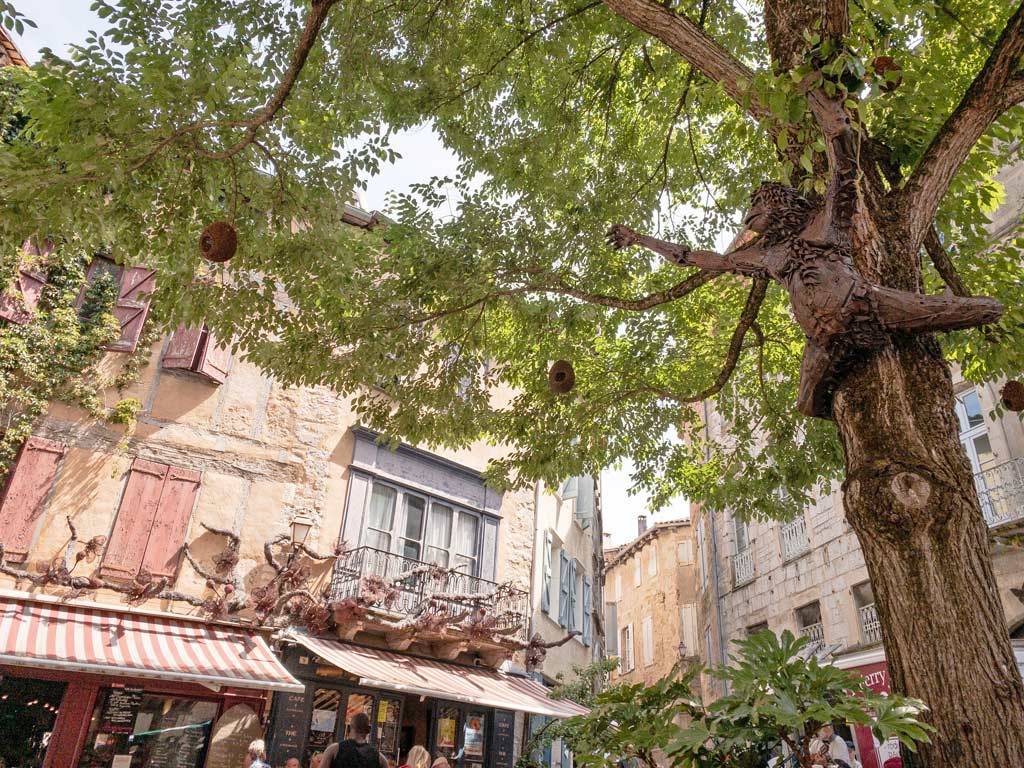
Following in the footsteps of trades of yesteryear...
Tarn-et-Garonne is a region of Gascony. Its rich soil has nourished both people and animals since time immemorial. The remains left by Paleolithic humans in Bruniquel reveal its very ancient occupation. Over time, the inhabitants learned the skills and crafted tools adapted to their needs, which became typical of the region. These customs were passed down from generation to generation.
Today, it remains an agricultural region where farming culture is deeply rooted. It's a territory that has preserved its traditional trades, ancestral customs, and local crafts. The resulting tourism allows these passionate artisans to share their secrets and perhaps inspire future generations. We therefore invite you on a family trip to discover these forgotten skills, these old machines and mechanisms, to be rediscovered during your stay in the region.
The hats of Caussade
In Caussade, we step back in time. The 19th century was the "golden age of the hat." And for good reason: since the 17th century and the influence of our Sun King, France had been positioning itself on the global luxury market. Factories sprang up throughout the provinces. The 19th century saw the beginnings of ready-to-wear. Fashion became more accessible, and to stand out, accessories provided the finishing touch and gave an outfit its unique character! The hat then became much more than just headwear…
Born from the talent of a peasant woman who couldn't stand the hot sun of the southwest, the first "paillole", a woven straw hat, was created in Caussade. It would eventually end up on the heads of Parisian stars!
To learn more, you'll need to visit "The Hat-Making Epic"... Also, head to the " Hats Block Laforest " workshop to meet one of the last hat block makers in the world. This craft, listed as a UNESCO World Heritage activity, involves carving the blocks of linden wood used to shape hats. You'll also have the opportunity to appreciate the skill and precision of another artisan-artist and perhaps even witness the creation of one of the fabric flowers that adorn them.
Two companies still manufacture these hats: " Crambes " in Caussade and " Coustilleres " in Septfonds. " Crambes " offers guided tours to understand the manufacturing process, the specific machines and discover the hat-making trades.
Finally, the " Willy's Paris " boutique is a millinery institution, where you can admire these magnificent creations. You'll find a wide variety of styles, from the most classic and traditional to the most extravagant…
The brooms of Grisolles
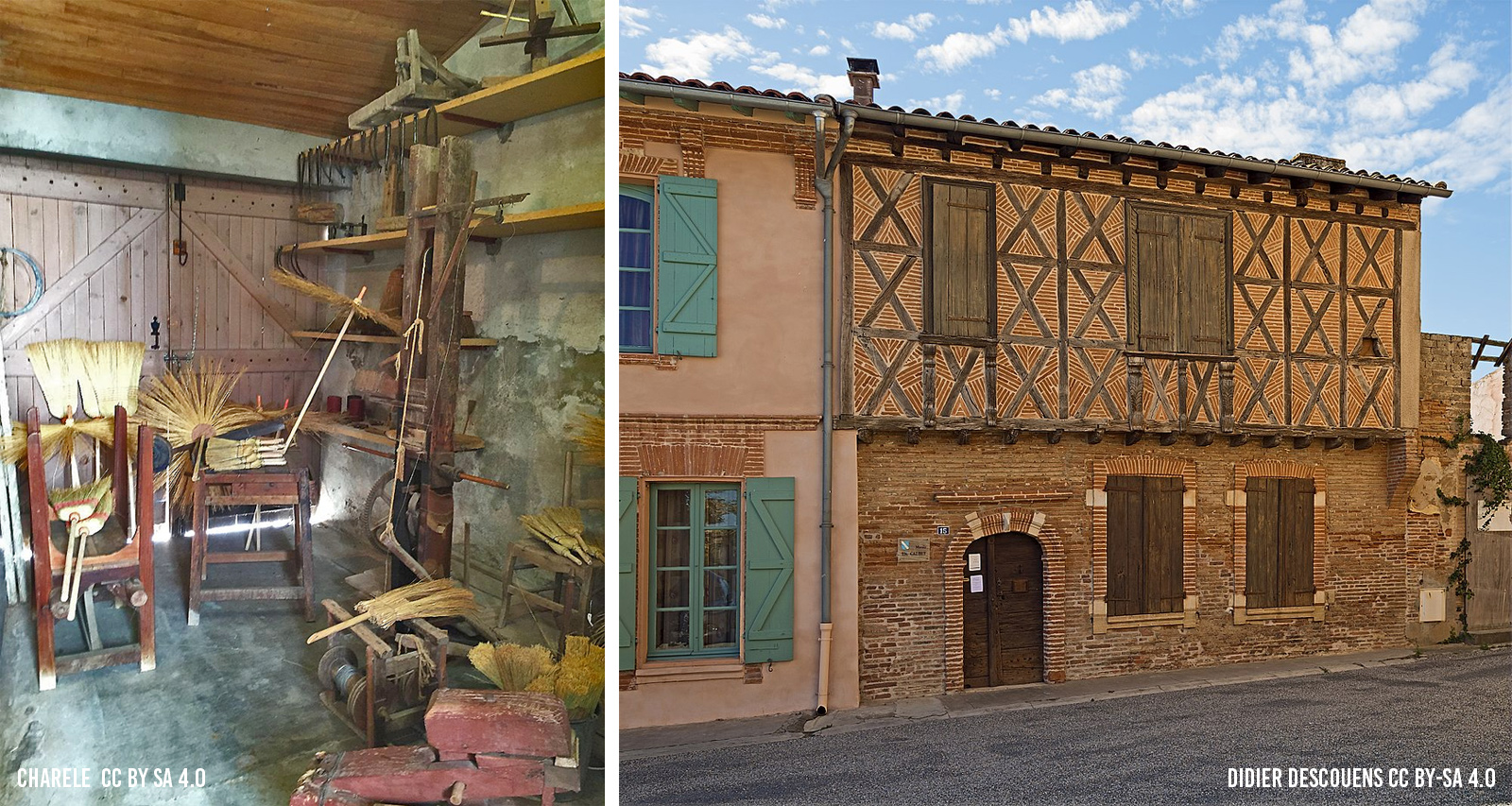
In Grisolles, you enter a French capital… nay, a European one… It's the capital of the broom ! Here's another 19th- century craft. The "Grisolles broom" was invented in 1856, as an improvement to the bundle of tied sorghum straw used for cleaning houses… No more bending over; a wooden handle stands upright in the center of the bundle. Wire securely binds everything together. Now the broom is an efficient and durable tool.
To better understand this craft, a visit to the Calbet Museum is essential. It showcases folk traditions and a collection of tools and equipment from everyday life in bygone days. In its reconstructed workshop, you will meet one of the last broom makers, a witness to this once-thriving industry.
The earthenware of Auvillar
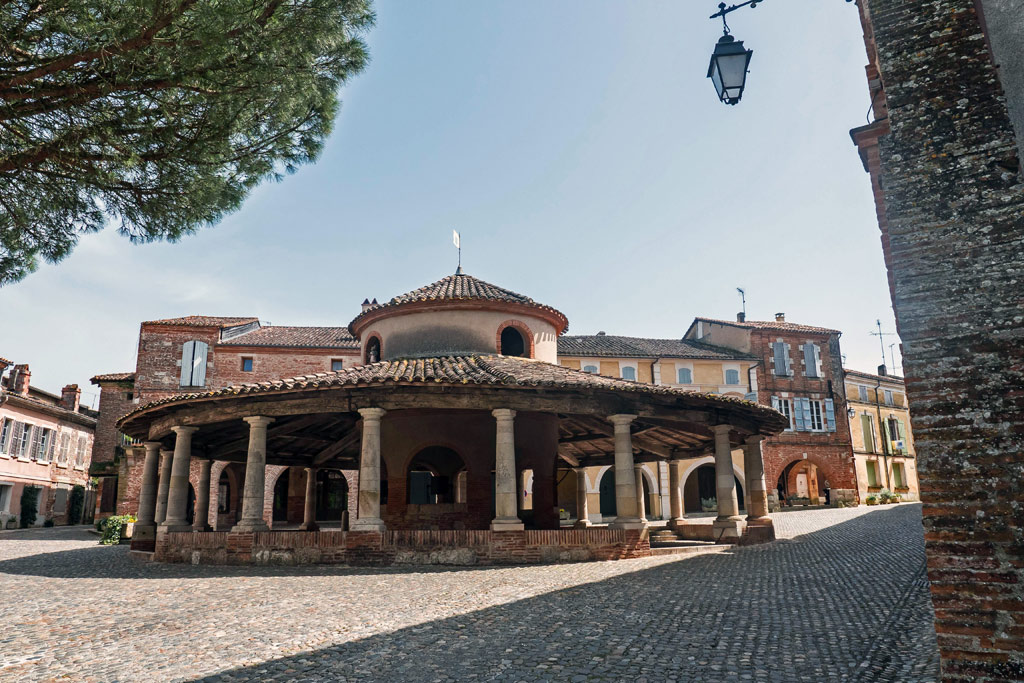
Halfway between Bordeaux and Thiviers, Auvillar was ideally situated to develop a pottery craft. Lead oxide glazes from Bordeaux and decorative glazes from Thiviers were combined with clay from Auvillar and sand from Marsac to create , from the hands of the potters, a solid and distinctive earthenware. Reaching its peak in the 18th and early 19th centuries, the demand for pottery declined rather quickly, and the last kilns were extinguished in 1905.
They still delight collectors today. You can admire them at the Musée du Vieil Auvillar, where a specialist in earthenware offers demonstrations and guided tours. It also houses the riverboat museum.
Ecomuseums: lifestyles of the past, old tools and popular traditions
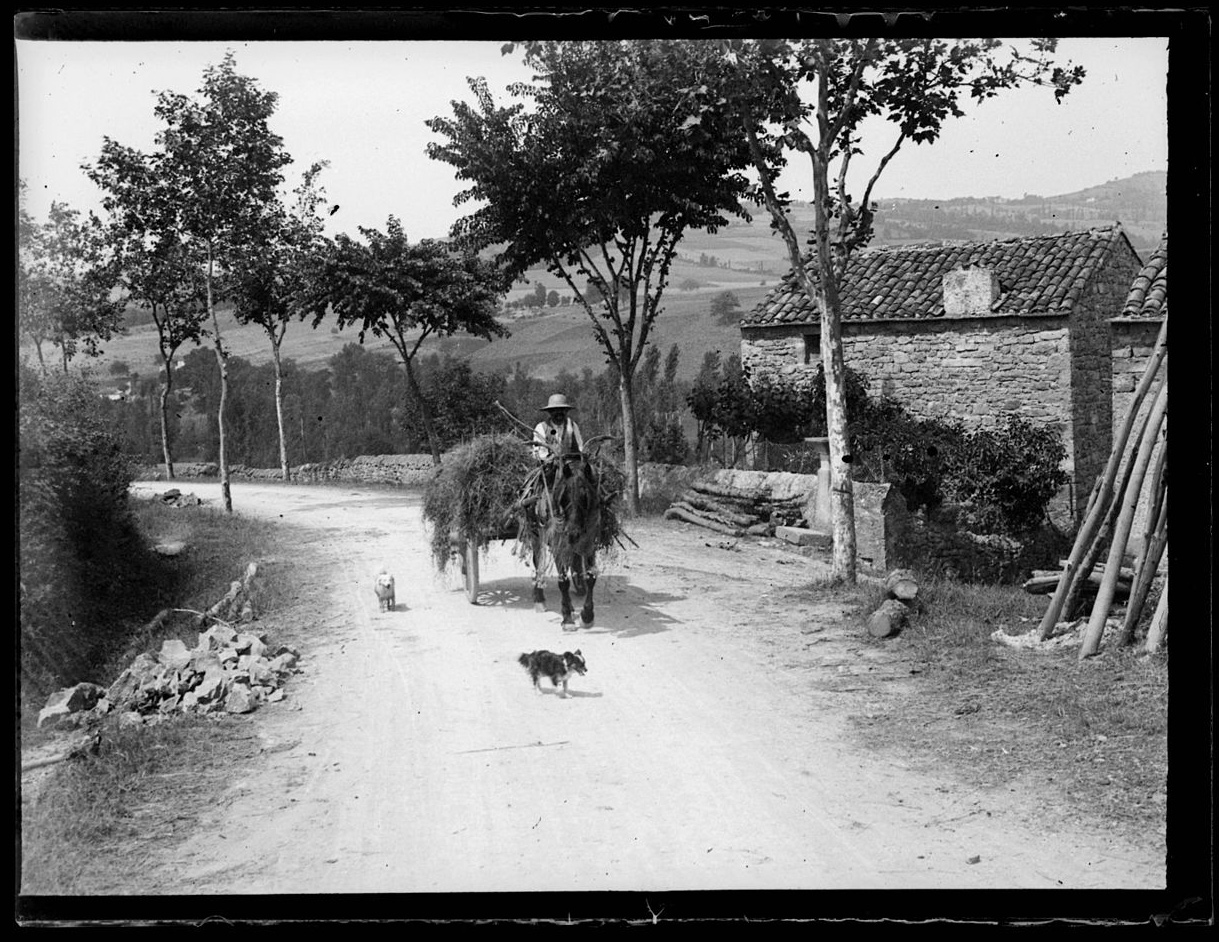
Far from the pomp and circumstance of grand houses or the life of a château, ecomuseums reveal the secrets of the daily lives of a region's inhabitants. They offer a wonderful way to rediscover the memories of farmers and laborers, to recognize the practices of our grandparents or more distant ancestors, and to imagine the gestures of these bygone trades. They possess a familiar quality that is endearing because we enter into the private world of the "local people"...
- The Finhan Museum displays tools, classified by trade, everyday objects and agricultural machinery from the 19th and 20th centuries.
- In Verfeil, the "Aux outils d'antan" museum specializes in agricultural tools.
- In Donzac, the conservatory of trades of yesteryear recreates a village of artisans, a 1920s classroom and old shops.
- In Caylus, there is the ecomuseum of the Gorges de l'Aveyron.
- In Montauban, the Toy Museum unveils an impressive collection of antique toys. Noble materials, time-honored craftsmanship, tradition... This is a wonderful opportunity to discover a little-known aspect of the history of this craft. A unique place to inspire dreams, imagination, and to see the wonder in the eyes of children and adults alike!
When craftsmanship comes back to life…
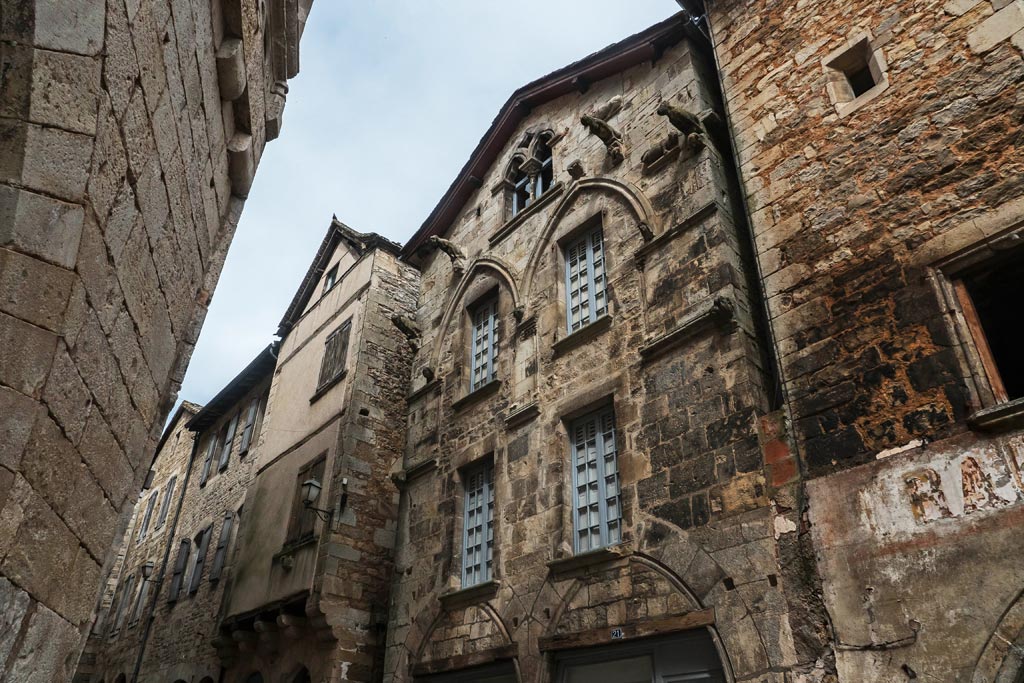
Saint-Antonin-Noble-Val is a renowned village of artisans. In the summer, shops spill out into its charming narrow streets, transforming the village into a veritable open-air art gallery. Artisans share their passion during numerous workshops in soap making, sculpture, jewelry making, ceramics, and more.
The lavender of Quercy was once renowned and its production flourished. It nearly disappeared, but thanks to passionate individuals, it has been revived today at the Lacontal Farm. You can visit the distillery and discover the many products made from essential oils and hydrosols.
Visit to the Roquefort cellars - Maison Gabriel Coulet
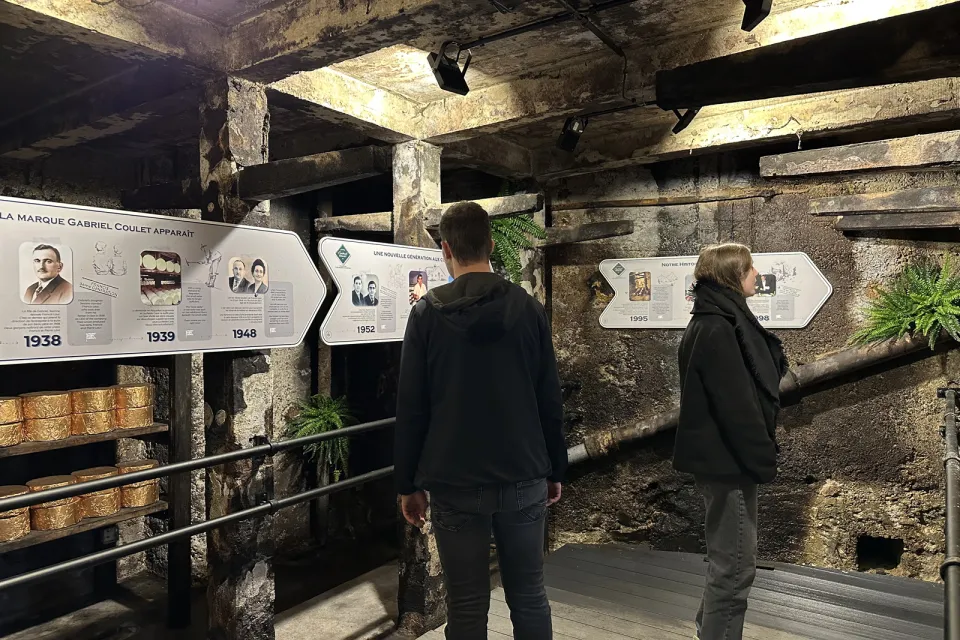
Visit the cellars and tasting in Roquefort-sur-Soulzon
La balade de Clément
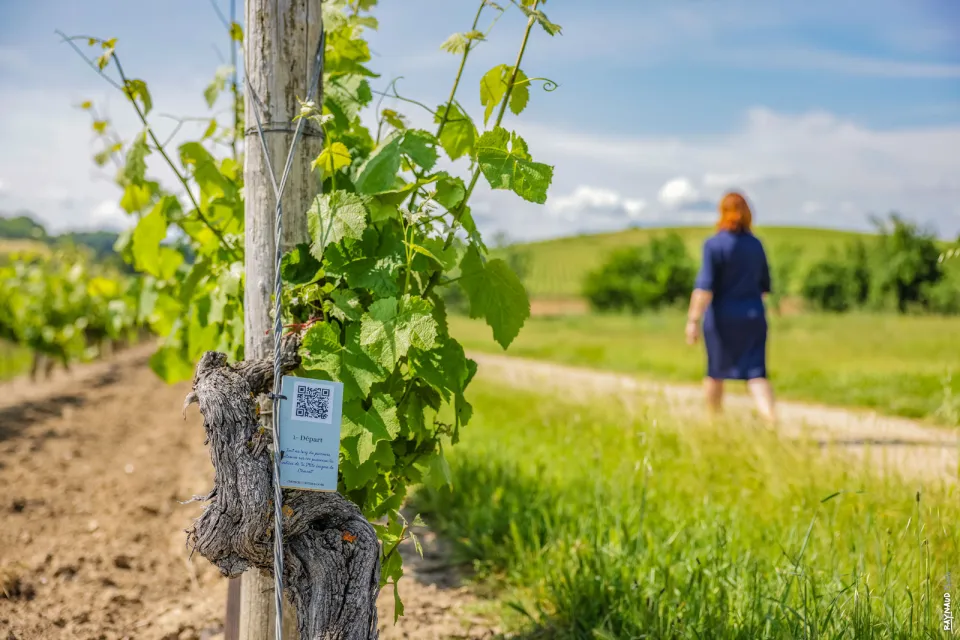
An unmissable experience in the heart of the vineyards in Lisle-sur-Tarn
Jeune Montagne Cheese Cooperative
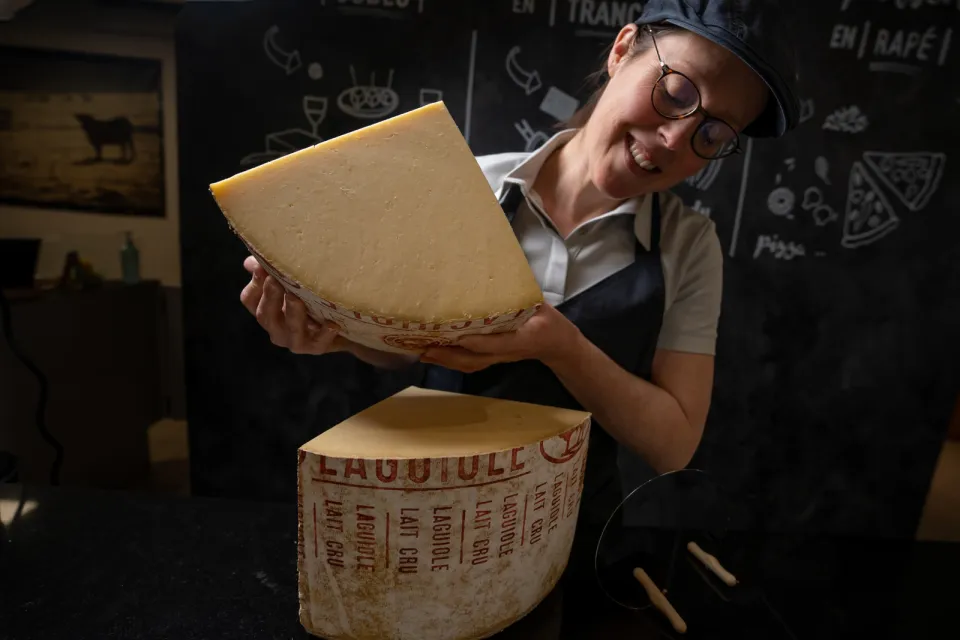
An immersive tour of the Aubrac region
Did you enjoy our article? Find more in our Top Experiences section.
Follow us on the Facebook page of the Tarn Aveyron Guide and on Instagram @guidedutarnaveyron.
You will also like
Grisolles, the amazing broom capital!
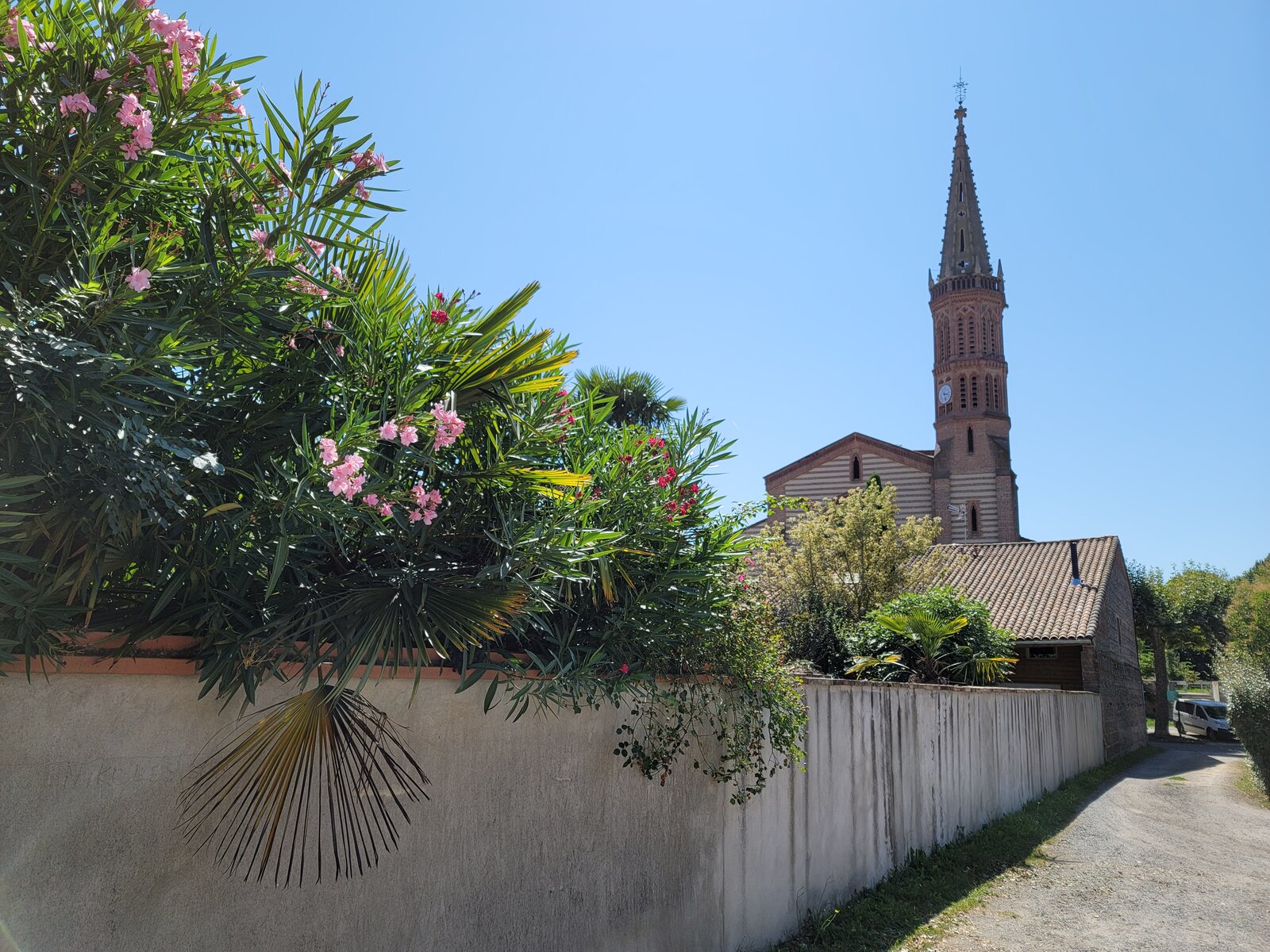
Heritage walk in Montech
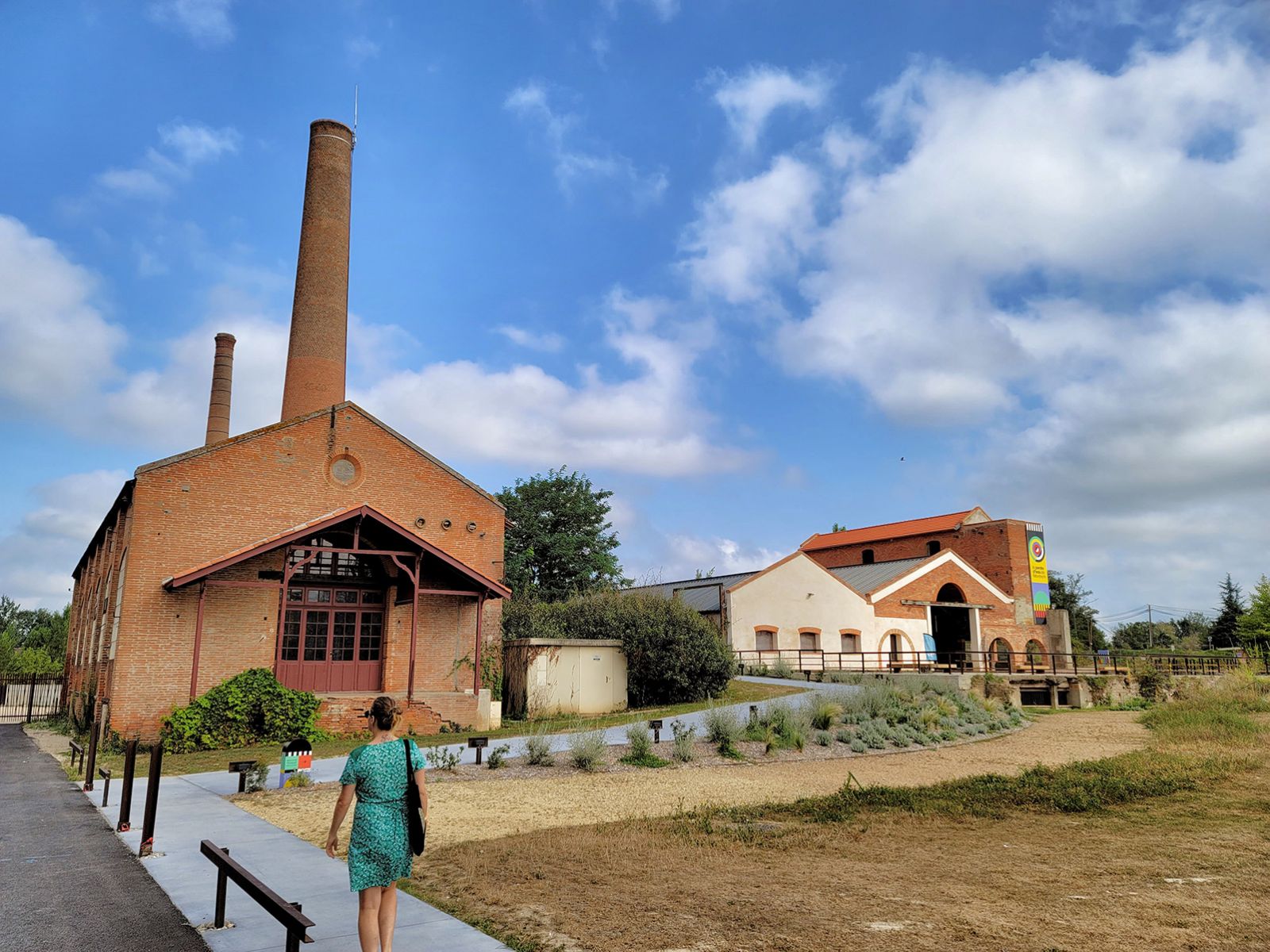
15,5 km
The Pente d'Eau de Montech: unmissable and unusual

15,5 km
Montech: bike ride along the canal
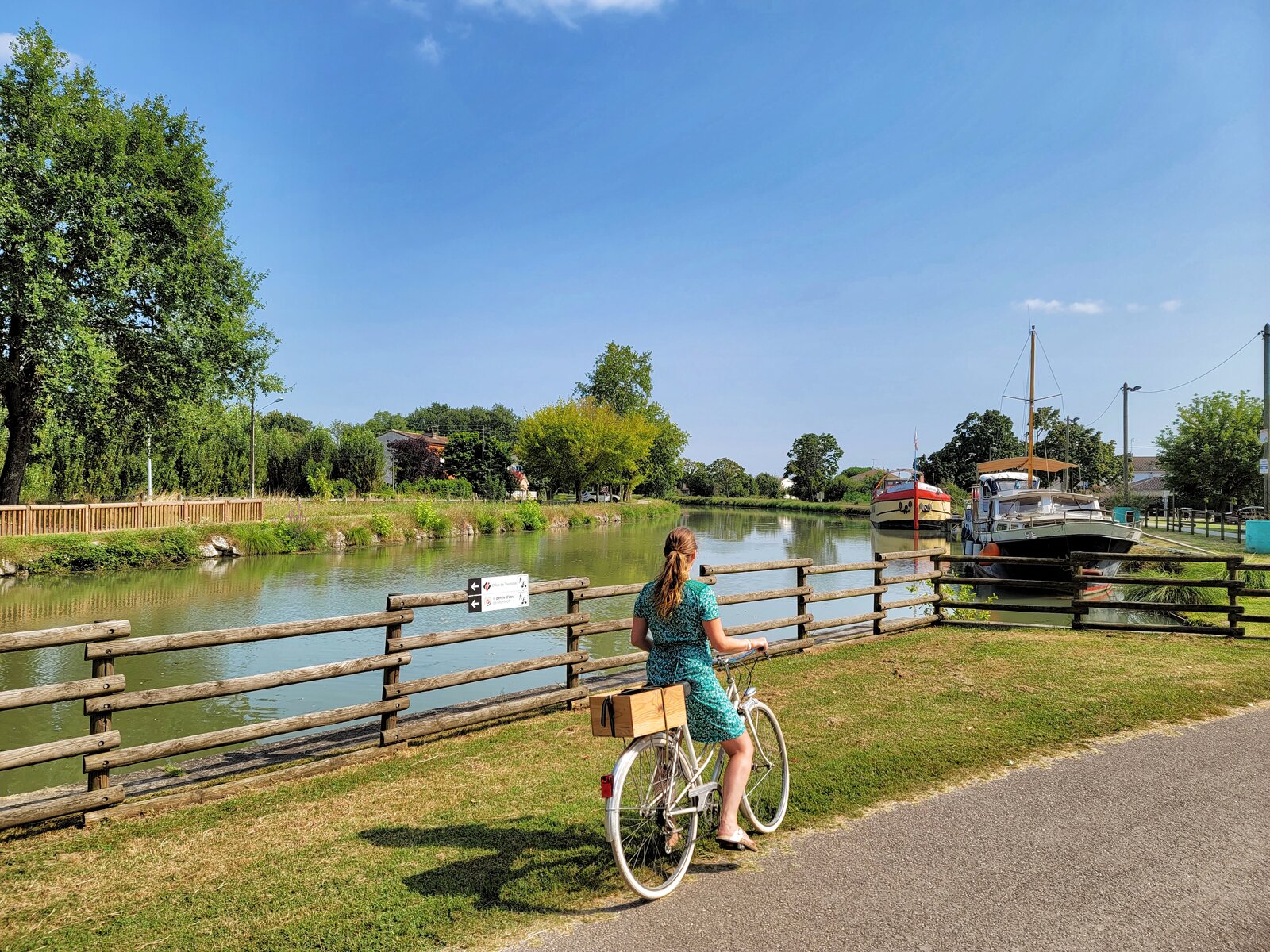
15,5 km
Crossing the Tarn-et-Garonne by bike, along the Canal des 2 Mers
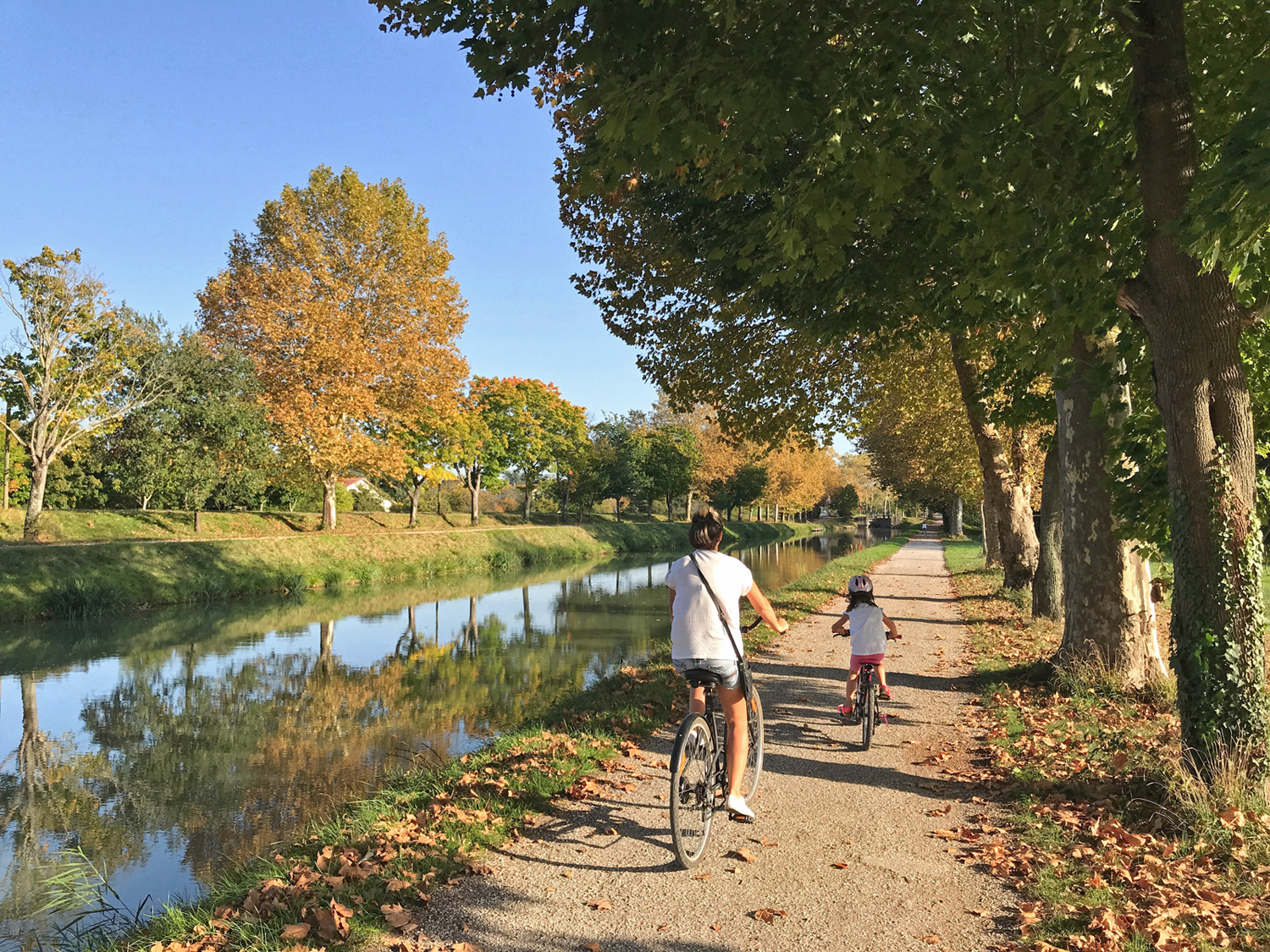
15,5 km
Autumn stroll in Montech and its forest
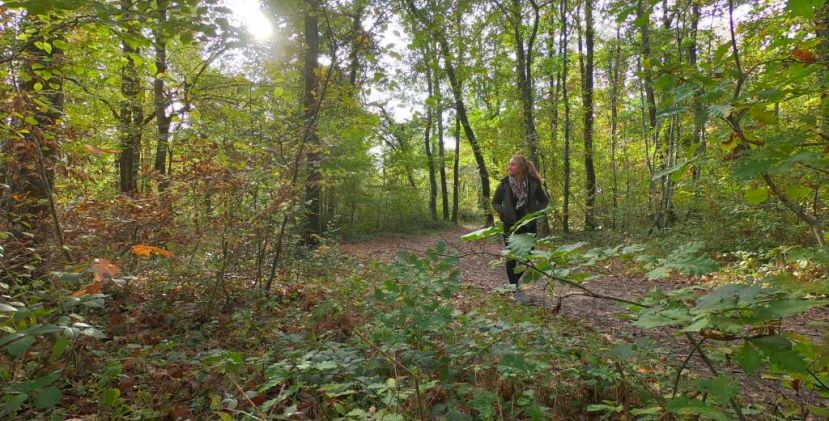
15,5 km
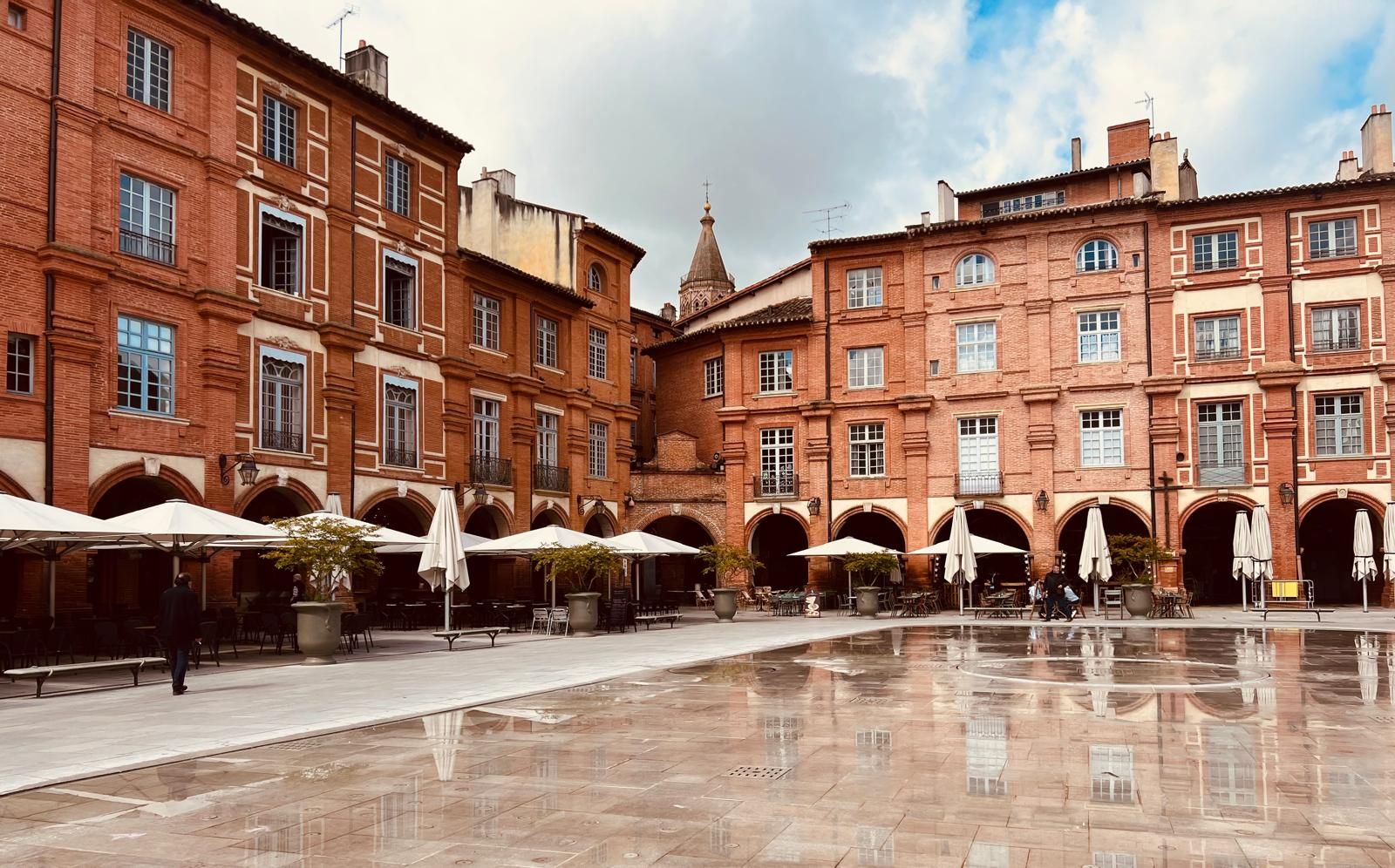
Visit Montauban on foot
22,2 km
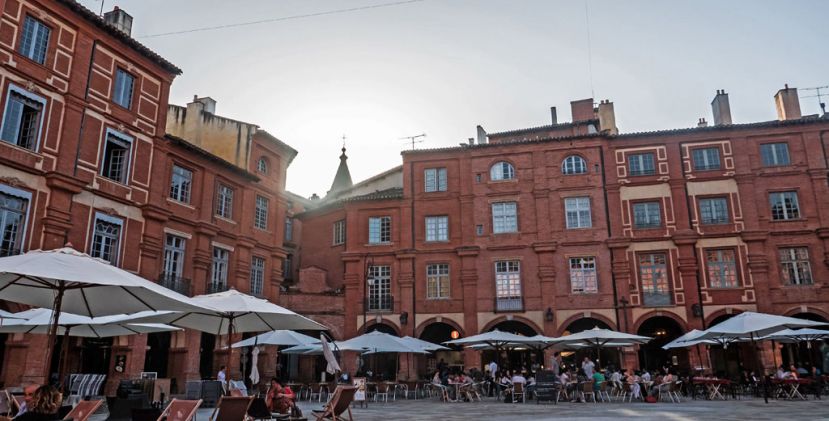
In Montauban, I keep the children busy during our stay
22,2 km
You will like also


Ride around
PR Grisolles/Pompignan - Le circuit de bois en canal (et Le circuit : les coteaux de Garonne)
PR Grisolles/Pompignan - Le circuit de bois en canal (et Le circuit : les coteaux de Garonne)
194 m - Grisolles
The Green Bike Route of the Canal des Deux Mers Voie Verte
The Green Bike Route of the Canal des Deux Mers Voie Verte
3,0 km - Pompignan